Hyper-personalization with AI: Boosting Engagement Without Losing Authenticity In an age where genuine connection feels increasingly rare, hyper-personalization powered by AI is not just a luxury, it's essential for brands seeking to resonate deeply with their audience. But the fear is real: in pursuit of ultra-targeted messaging, will we sacrifice authenticity? This article explores: What hyper-personalization means today. Why leading brands use it. Proven strategies and ethical guardrails to maintain real connection. How you can leverage this for brand growth without losing soul. What Is Hyper-personalization and Why Does It Matter? Hyper-personalization goes beyond simple segmentation. It uses AI and real-time analytics to deliver remarkably tailored experiences, anticipating needs before customers voice them. Imagine walking into a coffee shop and being greeted with your usual order before you ask. That's the emotional payoff minus the awkwardness. In digital terms, the same delight occurs when brands treat people as individuals, not just audiences. Key Differences: Personalization: “Hello, Alex” in an email. Hyper-personalization: Recommending a double-shot oat latte at 7 a.m. because it matches your Monday routine. This next-gen approach fosters loyalty, satisfaction, and deep engagement. Real-World Success: Top Brands Leading with AI Amazon Generates approximately 35% of revenue through personalized recommendations. Suggests items based on browsing history, cart contents, and patterns from similar users. Netflix Customizes home screens and thumbnails per user. 80% of watched content stems from AI-driven recommendations. Spotify “Discover Weekly” playlists based on listening habits and contextual data. Keeps users emotionally invested in the platform. Starbucks Sends real-time, location-based offers. Loyalty members spend 3x more than non-members. Sephora Offers an AR-powered virtual try-on tool. Product recommendations informed by purchase history and preferences. Brands of all sizes; from Netflix to Starbucks, are capitalizing on hyper-personalization with measurable results: higher conversion, loyalty, and lifetime value . Implementing Hyper-personalization Responsibly To stay authentic, brands must balance advanced personalization with privacy and emotional resonance. Step 1: Ethical Data Collection Be transparent about what you collect and why. Gain explicit consent, avoid covert tracking. Use anonymized analytics to protect identity. Step 2: Predict Behavior & Act in Real-Time Use platforms like AWS Personalize or internal AI to push relevant prompts at key moments. Shopify-like restaurant loyalty apps? Recommend chai at 4 p.m. on a cold afternoon. Step 3: Create Dynamic, Personalized Content Use AI to tailor websites, ads, emails, and even video thumbnails. Keep the human voice alive within AI-generated content — blend authenticity with tech. Step 4: Respect Privacy & Build Trust Offer opt-out and full visibility on how data is used. Position personalization as a convenience-driven benefit: “Recommended for You”, not “We Know Everything”. Staying Authentic While Scaling Personalization To prevent dehumanizing your brand: Human + AI Work Together: Highlight that AI supports, not replaces, human creativity . Retain Your Voice: Maintain brand personality and tone, quirks, mistruth, humor. Use Socio-Affective Alignment: Be emotionally aware: adapt tone to user mood, situation, culture, keep it relatable. Include Human Touchpoints: Reserve live chat, call options, and personal follow-ups during the buying journey. Measurable Benefits Brands Can Expect Metric Expected Uplift Conversion Rate +10% to +300% Customer Spend Loyalty members spend 3x more Engagement (App/Platform) Spotify and Netflix retention/usage Customer Trust & Satisfaction Value-first with transparency These figures show the emotional resonance that fuels long-term brand loyalty. Brands Doing It Right (Outside the US) Kakao Zigzag (Korea): AI-powered image search for fashion; user growth +140%. Shinhan Bank (Korea): Hyper-personal finance insights; no data on direct results but top rated. Best Practices to Launch Your Own Strategy Choose Your Tech Stack: Explore AWS Personalize, Google Recommendations AI, or comparatively accessible Zapier plus Airtable. Pilot a Small Segment: Start with a newsletter, landing page, or digital ad segment to test before full rollout. Measure & Iterate: Track conversions, engagement, churn, then refine triggers, tone, and thresholds. Scale with Emotional Intelligence: Combine algorithms with empathy, always ask: “Is this feeling right?” Final Thoughts: Human at the Heart of AI Hyper-personalization is not dimension-lowering, it's humanizing at scale, when done responsibly. As AI suggestions populate our screens, the brands who maintain warmth, trust, and transparency will win hearts and markets. Let data empower emotion. Let AI augment authenticity. And let your brand become more than a transaction; make it someone’s trusted moment. Ready to Build Your Emotionally Intelligent AI Strategy? At Apical Creative Hub, we help brands integrate intelligent personalization with heartfelt messaging and ethical clarity.
Can AI-Powered Personalization Drive Engagement Without Sacrificing Authenticity?
Micro-Influencers vs. Mega-Influencers: A Data-Driven Guide for Brands In a world saturated with digital noise, brands are constantly looking for more human, relatable, and impactful ways to reach their audience. One powerful way they’ve discovered? Influencer marketing. But as this strategy matures, a question keeps resurfacing: should your brand invest in micro-influencers or mega-influencers? Both have their merits, and both can yield impressive results when aligned with your brand’s goals. However, choosing the right influencer tier can be the difference between wasted spending and powerful ROI. This article breaks it all down emotionally, practically, and strategically so you can make the best choice for your brand. Who Are Micro- and Mega-Influencers? Micro-influencers typically have between 1,000 and 100,000 followers. They are everyday individuals who’ve cultivated a loyal, engaged audience in a niche: beauty, tech, parenting, fitness, education, finance, or even meme culture. Mega-influencers, on the other hand, have over 1 million followers. These are celebrities, public figures, or internet personalities with vast reach, fame, and wide audience appeal. The Emotional Edge: Why Trust Matters One key difference between micro- and mega-influencers is trust. In today’s skeptical world, people don’t just want to be sold to; they want to feel something. They want a real voice they can relate to. Micro-influencers offer that. Their smaller audience sizes often mean higher engagement rates and more authentic interactions. Imagine a local skincare enthusiast who shares honest reviews with 15,000 followers. When she posts about a moisturizer, it feels personal. Her audience knows her routines, struggles with acne, and what works for her. That recommendation feels like it’s coming from a friend. Now picture a mega-influencer, perhaps a TV star, posting the same product with a polished photo and perfect lighting. It might spark awareness, but will it spark trust? For many consumers, probably not. Data Doesn’t Lie: Engagement vs. Reach Let’s look at the numbers: Micro-influencers tend to have an average engagement rate of 6% or higher. Mega-influencers often see engagement rates of 1.5% or lower. Why? Because micro-influencers often respond to comments, create interactive stories, and maintain a sense of community. Their audiences listen and care. But it’s not just about engagement. Mega-influencers shine when mass awareness is the goal. Their posts can reach millions in one go; ideal for massive product launches, viral campaigns, or global brand awareness. Cost Comparison: Budget vs. Value Influencer marketing doesn’t come cheap. Here’s a rough idea of average costs: Micro-influencer (10k – 50k followers): $100 – $500 per post Mega-influencer (1M+ followers): $10,000 – $100,000+ per post If you’re a startup or small brand with a modest marketing budget, you could work with 10–20 micro-influencers for the price of one mega deal. And if chosen wisely, those micro partnerships might lead to better overall engagement and conversions. That said, if your brand has the cash and wants to make a big splash (say, launching a new phone or Netflix series), the mega route could be justified. Niche Targeting vs. Mass Appeal Another crucial difference lies in audience specificity. Micro-influencers are usually niche experts. Their followers share specific interests and identities. This is gold for targeted marketing. Let’s say you’re promoting a vegan protein shake. A micro-influencer who’s a plant-based fitness coach speaks directly to your ideal audience. His or her endorsement is precise, contextual, and persuasive. Mega-influencers, however, have diverse and often unsegmented audiences. That vegan protein ad may reach millions, but a large percentage might be uninterested, or worse, completely unqualified leads. Storytelling and Content Quality Mega-influencers often have access to professional content teams, resulting in visually stunning posts. They know how to sell a lifestyle. Their content is high-quality, slick, and shareable. Micro-influencers, while less polished, deliver raw and relatable stories. They invite followers into their personal lives, making product promotion feel natural rather than scripted. Their storytelling tends to perform well on platforms like TikTok and Instagram Stories, where authenticity wins. In fact, many brands now repurpose content from micro-influencers for ads and email marketing because it performs better than agency-created content. Brand Safety & Reputation Risk Mega-influencers live under a spotlight. Their every move is public. One wrong tweet, scandal, or PR incident can damage your brand’s reputation if you’re associated with them. Micro-influencers, with their smaller profiles, face less scrutiny and fewer PR risks. And because they’re often passionate about their niche, they’re more likely to respect partnerships and stay brand-aligned. Real Case Studies Case 1: Daniel Wellington (Watch Brand) This brand built a global empire using thousands of micro-influencers, rather than celebrities. Each influencer received a free watch and a discount code to share. This grassroots strategy created viral visibility and trust simultaneously. Case 2: Pepsi’s Kendall Jenner Ad (Mega Influencer Misfire) In contrast, Pepsi’s 2017 ad starring Kendall Jenner (a mega-influencer) sparked backlash for trivializing social movements. The reach was huge, but the backlash outweighed the benefits. Which Should Your Brand Choose? There’s no one-size-fits-all. Your decision depends on: Your Budget: Smaller budgets benefit from multiple micro-influencers. Your Goals: Want awareness? Go mega. Want conversions or community? Go micro. Your Product Type: Niche products = niche audiences = micro. Your Brand Voice: Polished and aspirational = mega. Relatable and grassroots = micro. Hybrid strategies; using a mix of micro, mid-tier, and mega influencers are becoming more common. A mega post may create buzz, while a fleet of micro-influencers builds long-term trust. The Future: Why Micro-Influencers Are Rising As audiences grow more aware of paid promotions, trust and relatability will matter more. People crave human connection. They want reviews, not rehearsals. In this environment, micro-influencers will thrive. In fact, many mega-influencers are losing engagement, while micro and nano influencers (under 10k followers) are gaining momentum. Brands that recognize this shift early will have a competitive advantage. Final Verdict: It’s Not About Size, It’s About Fit At the heart of it, your brand needs connection, not just coverage. It needs storytelling, not just stardom. And most of all, it needs influencers who
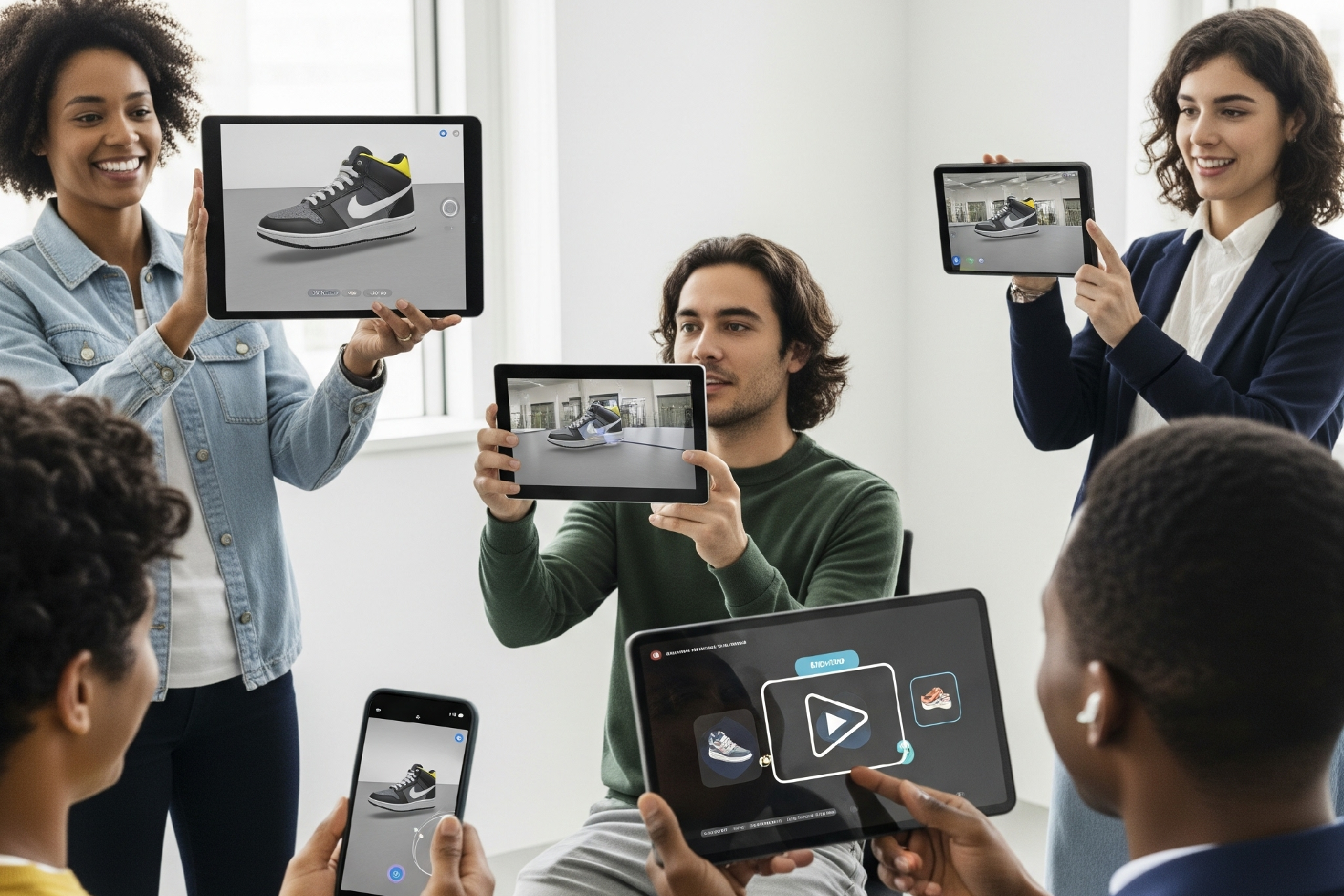
How Brands Are Using AR and Interactive Video to Transform Campaigns in 2025 In a digital age defined by short attention spans and ever-evolving technology, brands are constantly seeking innovative ways to captivate audiences and drive deeper engagement. Among the most transformative trends shaping the future of creative campaigns are Interactive Video and Augmented Reality (AR). These immersive technologies are not just fleeting novelties, they’re redefining storytelling, brand experience, and user engagement across industries. As we look toward the future of marketing all over the world, integrating interactive video and AR into campaigns is no longer a luxury, it’s a necessity. What Are Interactive Videos and Augmented Reality? Interactive Video is a form of digital video that supports user interaction. Rather than passively watching a video, viewers can click, swipe, or make decisions that influence the content they see. This dynamic form of storytelling empowers users to become active participants, dramatically increasing engagement and retention. Augmented Reality (AR) enhances the real world by overlaying digital content such as images, videos, or animations on a user’s view through a smartphone, tablet, or AR glasses. Unlike virtual reality, which creates an entirely simulated environment, AR blends the digital with the physical, offering seamless integration into everyday life. Why Are These Technologies Crucial for Creative Campaigns? Enhanced Engagement: Users spend significantly more time with interactive content. Studies show that interactive videos can increase viewing time by up to 47% compared to traditional video. Higher Conversion Rates: Interactive and AR-based campaigns tend to have higher conversion rates due to increased user involvement. Personalized pathways in interactive videos or immersive product demos in AR reduce decision fatigue and encourage action. Immersive Storytelling: With AR and interactive videos, brands can tell multi-dimensional stories that foster emotional connections, deepening brand loyalty. Data Collection: Interactive campaigns allow for real-time data collection on user preferences, choices, and behaviors, enabling better personalization and ROI tracking. Social Sharing and Virality: Experiences that are fun, shareable, and unique are more likely to be spread across social media, amplifying reach organically. Real-World Applications Retail and E-Commerce Imagine a customer pointing their phone at a sneaker and seeing how it looks in 3D from every angle, or clicking a video to customize its color, size, and price. Brands like Nike and IKEA are already using AR and interactive video to revolutionize the shopping experience. Education and Training Interactive video quizzes, choose-your-path scenarios, and AR simulations provide hands-on learning. This method is proving highly effective in corporate training and educational sectors. Healthcare AR is used to help patients understand procedures through visual simulations, while interactive videos guide them through post-op recovery. This enhances patient engagement and trust. Entertainment and Media Netflix and other platforms are experimenting with choose-your-own-adventure narratives. Meanwhile, AR filters and effects are engaging younger audiences across TikTok, Instagram, and Snapchat. Real Estate and Architecture Virtual tours are evolving. AR enables potential buyers to visualize furniture in a space, while interactive videos guide them through customized property journeys. Optimization for Voice and Visual Search As users increasingly rely on voice assistants like Siri, Alexa, and Google Assistant, optimizing content for voice search is critical. Likewise, visual search where users search via images instead of text is gaining traction. Here’s how to future-proof your interactive and AR content: Voice Search Optimization Use natural language and conversational tone in scripts and content. Incorporate long-tail keywords and question-based phrases (e.g., “What is interactive video marketing?”). Ensure your content loads quickly and is mobile-friendly. Include structured data and schema markup for enhanced voice search visibility. Visual Search Optimization Tag all images and AR content with relevant alt text. Use descriptive file names and metadata. Implement image sitemaps for better indexing by search engines. Leverage rich media formats that are compatible with platforms like Google Lens. The Role of Interactive Video & AR in the U.S. Market The United States remains a global leader in the adoption of digital marketing technologies. With over 290 million smartphone users, high-speed internet, and a tech-savvy population, the U.S. is fertile ground for innovative campaigns. American consumers expect brand experiences to be intuitive, personalized, and immersive. A 2024 report by Statista found that over 70% of U.S. Gen Z and Millennial consumers engage with AR filters monthly. Meanwhile, interactive video usage among marketers rose by 32% year-over-year. These statistics signal a clear message: brands that fail to adopt these technologies risk falling behind. Case Study: Burger King's Interactive Campaign Burger King’s "Whopper Detour" campaign used interactive video and AR geo-targeting to offer customers a 1-cent Whopper if they ordered near a McDonald's location. The campaign was a viral hit, generating over 1.5 million app downloads and skyrocketing user engagement. This clever use of gamification, interactivity, and location-based AR is a blueprint for modern campaign success. Challenges and Considerations While the potential is vast, brands must also consider: Cost of Production: High-quality interactive and AR content requires investment in tools, talent, and testing. User Experience (UX): A seamless experience is crucial. Poor UX can lead to frustration and disengagement. Cross-Platform Compatibility: Ensure content works across multiple devices and browsers. Privacy & Data Security: With interactivity comes data, ensure compliance with GDPR, CCPA, and other regulations. Tools and Platforms to Get Started ZapWorks: Ideal for building AR experiences without coding. Adventr: Create interactive videos with branching paths. 8thWall: Powerful AR development platform for web-based experiences. Adobe Aero: For designing immersive AR environments. Vimeo Interactive: Great for brands venturing into interactive storytelling. Future Trends to Watch AI-Driven Personalization: Integrating AI with interactive and AR content to serve real-time tailored experiences. AR Glasses and Wearables: With products like Apple Vision Pro on the horizon, wearable AR will redefine user interfaces. Shoppable AR and Video: Seamless shopping directly within AR scenes or interactive videos. Mixed Reality Campaigns: Merging AR, VR, and physical spaces for ultra-immersive experiences. Zero UI Interfaces: Voice and gesture controls will minimize the need for traditional navigation. Final Thoughts Interactive Video and Augmented Reality are not just tools, they’re
The Future of Search Is Here - Are You Ready? In a world where we now ask instead of type and snap instead of search, the way people find information is shifting faster than most brands can keep up. The old rules of SEO no longer hold all the answers. If your business still relies only on traditional search optimization, you’re likely missing out on a major share of today’s most engaged consumers. In 2025, voice and visual search are not just trends, they are revolutionizing how people interact with the web. From smart speakers to mobile cameras and AI search tools like Google Lens, consumers expect instant, intuitive answers to their needs. But here’s the big question: How can you make your brand findable in a world where people don’t even type anymore? Let’s dive into how voice and visual search work, why they matter now more than ever, and most importantly how you can optimize for them to stay relevant and rank on the first page of Google. Part 1: The Rise of Voice Search – Why Talking Is the New Typing We’re living in the golden age of digital assistants. Google Assistant, Alexa, Siri, and even in-car voice systems have become part of our daily lives. The Numbers Speak Loudly: Over 58% of internet users globally used voice search at least once per week in early 2025. It’s estimated that 40% of all online searches in 2025 are voice-based. All over the world, the rise of affordable smartphones with Google Assistant has made voice search more mainstream than ever. Voice search isn't just a novelty, it’s becoming the default for busy, on-the-go consumers who want fast, hands-free answers. What Makes Voice Search Different? Unlike traditional search, voice queries are: Longer and more conversational (“Where can I find a vegan bakery near me?” instead of “vegan bakery Minnesota”) Often posed as questions More likely to be local and urgent Voice Search Optimization Strategies for 2025 Use Natural, Conversational Language in Your Content People speak differently than they type. So, your content should reflect how real people talk. Tip: Create FAQ-style pages or blog posts that directly answer questions like: “How do I start a small business in Las Vegas?” “What’s the best digital marketing agency near me?” Use tools like AnswerThePublic or AlsoAsked to find real voice-like queries. Optimize for Featured Snippets (Position Zero) Google often pulls voice search answers directly from featured snippets. To increase your chances: Structure answers clearly using headings (H2/H3) Use bullet points and short, clear sentences Include the question in the heading and the answer immediately after Example: Q: What is visual search? A: Visual search uses images, rather than text, as the input to find related content online... Focus on Local SEO Over 50% of voice searches have local intent. Ensure: Your Google Business Profile is complete and updated Use local keywords (e.g., “digital agency in Seattle”) Include location pages if you serve multiple cities Improve Site Speed and Mobile Friendliness Voice search often happens on mobile. If your site is slow or not mobile-friendly, Google won’t priorities you. Use tools like Google PageSpeed Insights and Mobile-Friendly Test. Part 2: Visual Search – When a Picture Becomes the Query Visual search allows users to snap a photo or upload an image to find what they need—no keywords required. Platforms like Google Lens, Pinterest Lens, Snapchat Scan, and Amazon StyleSnap are at the forefront. In Africa, where mobile-first culture dominates, visual search is rapidly gaining traction. Real-Life Example: Imagine someone sees a unique Patterned handbag at an event. Instead of asking, “What’s this called?” they snap a photo using Google Lens. Within seconds, they find similar products, prices, and even buy links. If your product isn’t optimized for visual search? You lose the sale, just like that. How to Optimize for Visual Search in 2025 Use High-Quality, Original Images Stock images don’t work well for visual search. Google and other tools rely on unique, clear, high-resolution visuals. Upload original photos of: Products from multiple angles People using your services Close-up shots with neutral backgrounds Add Descriptive ALT Text (and Do It Properly) ALT text isn’t just for accessibility. It helps search engines understand your images. Instead of: <img src="bag.jpg" alt="bag"> Try: <img src="patterned-handbag.jpg" alt="Handcrafted patterend print handbag with brown leather handle"> Use natural language, include relevant keywords, and be descriptive without keyword stuffing. Use Schema Markup for Images Structured data helps Google understand context. If you’re selling products, implement Product Schema with image, name, price, and reviews. This improves your chance of being pulled into rich results and visual feeds. Create Visual Search-Friendly Content Create blog posts and landing pages with image-first layouts. For example: Post Title: “10 Trending Patterned Bags in Seattle Right Now” Include unique images Link to products Use descriptive captions and filenames This makes your site more discoverable through tools like Google Lens and Pinterest. The Power of Combining Voice & Visual Search In many ways, voice and visual search are converging. Some mobile devices allow people to speak a command and show an image simultaneously. Your optimization strategy should reflect this hybrid behavior. Real Scenario: A user asks, “Show me modern office furniture near me,” and taps an image they like. Google presents a carousel of shops, prices, and contact details. If your content combines: Local SEO Image-rich pages Clear product data …You’ll be the one they choose. Advanced Tips for Brands Who Want to Lead Create Voice-Search-Ready Podcasts or Audio Blogs Embed them on your site and transcribe them for SEO. Optimize Videos for Search Engines Add descriptive titles, captions, and include a visual version of your post on YouTube or Instagram Reels. Use Google Search Console to Track Visual Performance Check the Image tab to see which visuals are bringing traffic. Design with Visual First UX Think “What would this page look like if someone found it through a photo or spoken query?” Why This Matters More Than Ever Search is becoming more human. We
Recent Posts
Recent Comments
No comments to show.
LATEST POSTS
2025 © Apical Creative Hub